Blurry Faces, Dark Spots, and Night Glare may be more than normal aging. This short presentation explains the hidden Prox-1 signal, how it may affect aging macular stress, and why a strange Canaan Honey clue is now raising questions.

Most people blame macular problems on age, genetics, weak eyes, or too many years of screen use.
And because of that, they keep chasing surface-level answers — stronger glasses, brighter lights, more drops, more tests. But what if the visible symptoms are not the true starting point?
The deeper issue may begin with Prox-1, a hidden protein signal that can interfere with the eye’s built-in repair cells. These repair cells are supposed to help maintain the retina and macula as they face constant stress from light, glare, UV exposure, and aging. But when Prox-1 traps them, the repair process may slow down or stop.
That is why the same symptoms may keep returning. A lens can adjust focus, but it cannot unlock trapped repair cells. Drops may soothe irritation, but they do not explain why dark spots, glare, wavy lines, and blurry faces keep threatening central vision.
So the old belief may be dangerously incomplete. It may not be “just aging.” It may not be “just bad eyesight.” It may be a hidden repair failure that allows macular damage to build quietly — until reading, driving, and recognizing loved ones become harder than they should ever be.
If you’ve ever felt afraid of losing your driver’s license because you can’t see clearly on the road—especially at night—you are not alone.
- The anxiety of facing blurred headlights and distorted signs every time you drive
- The shame of sitting in front of the TV and realizing you can’t read the words on the screen
- The frustration of giving up hobbies and routines you once loved because your vision won’t keep up
- The silent fear of pretending you “see fine” while knowing deep down that your sight is slipping away
These emotional battles are real, and they’re shared by millions who silently face the same struggle. It’s not just about vision—it’s about freedom, dignity, and independence slipping out of reach.
And the cruel truth is this: once these fears begin, they don’t fade. They only grow stronger, until one day you’re forced to surrender the very things that made you feel alive—like the independence of driving yourself wherever you want.
The Silent Battle Inside Your Eyes… And The Hidden Repair Signal Behind It
For years, many people were told that dry AMD and aging vision were simply part of getting older. But the presentation explains a different possibility: the eye’s natural repair cells may be blocked by a hidden signal called Prox-1.
When this repair signal is disrupted, daily stress from light, glare, screens, UV exposure, and aging may build up around the retina and macula. That is when dark spots, wavy lines, blurry faces, and night glare can begin to feel harder to ignore.
The Canaan Honey clue points to this hidden repair signal — not to another pair of glasses, drops, injections, or surgery.
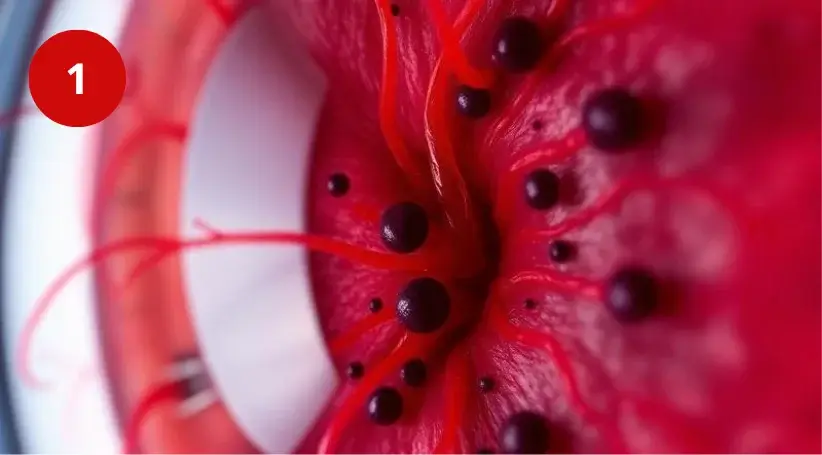
STAGE 1 – CHAOS
Prox-1 may interfere with the eye’s natural repair cells, leaving the macula exposed to daily stress from light, glare, screens, and aging.
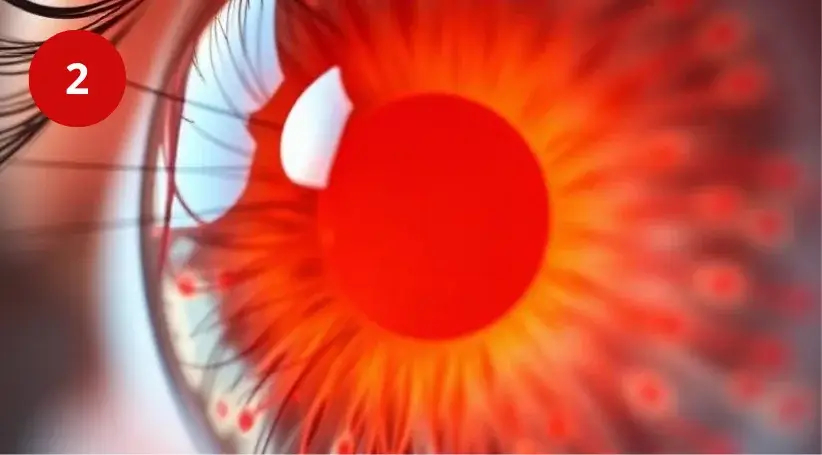
STAGE 2 – REPAIR SIGNAL BLOCK
When repair cells stay trapped, dark spots, glare, wavy lines, and blurry faces may become harder to ignore.
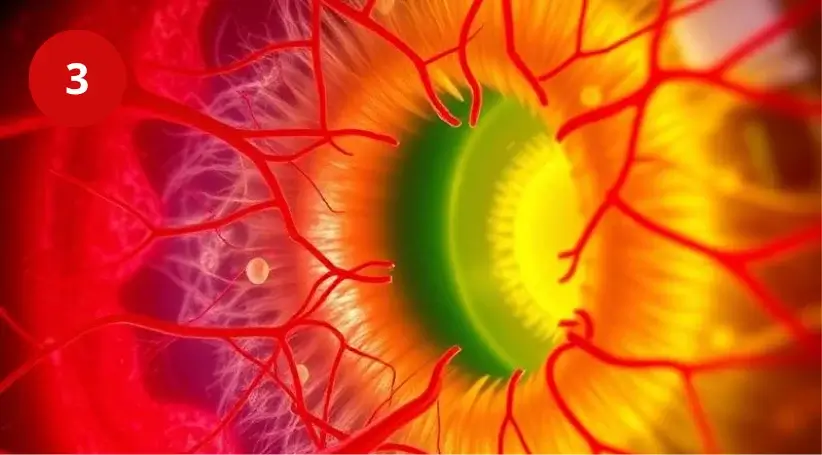
STAGE 3 – MACULAR STRESS BUILDS
As stress builds around central vision, reading, driving at night, and recognizing familiar faces may feel more difficult.
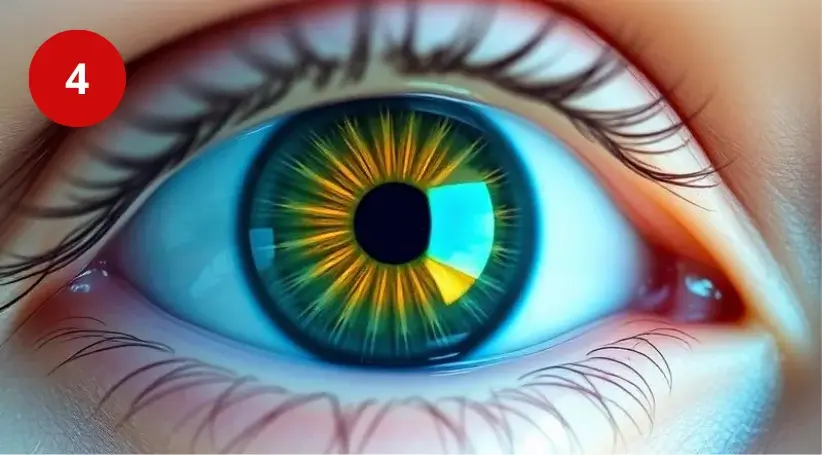
STAGE 4 – CONTROL RESTORED
The short presentation explains the Canaan Honey clue and why many adults are looking deeper than glasses, drops, injections, or surgery.
What stage are YOU in right now?
Watch how the Prox-1 presentation explains what may be happening behind Blurry Faces, Dark Spots, and Aging Central Vision.